How to Travel to Japan with a Nut Allergy (Peanuts + Tree Nuts)
A practical guide for traveling to Japan safely with a peanut or tree nut allergy. Learn which dishes to avoid, how to read Japanese labels, what to say in restaurants, and how an allergy card can protect you.
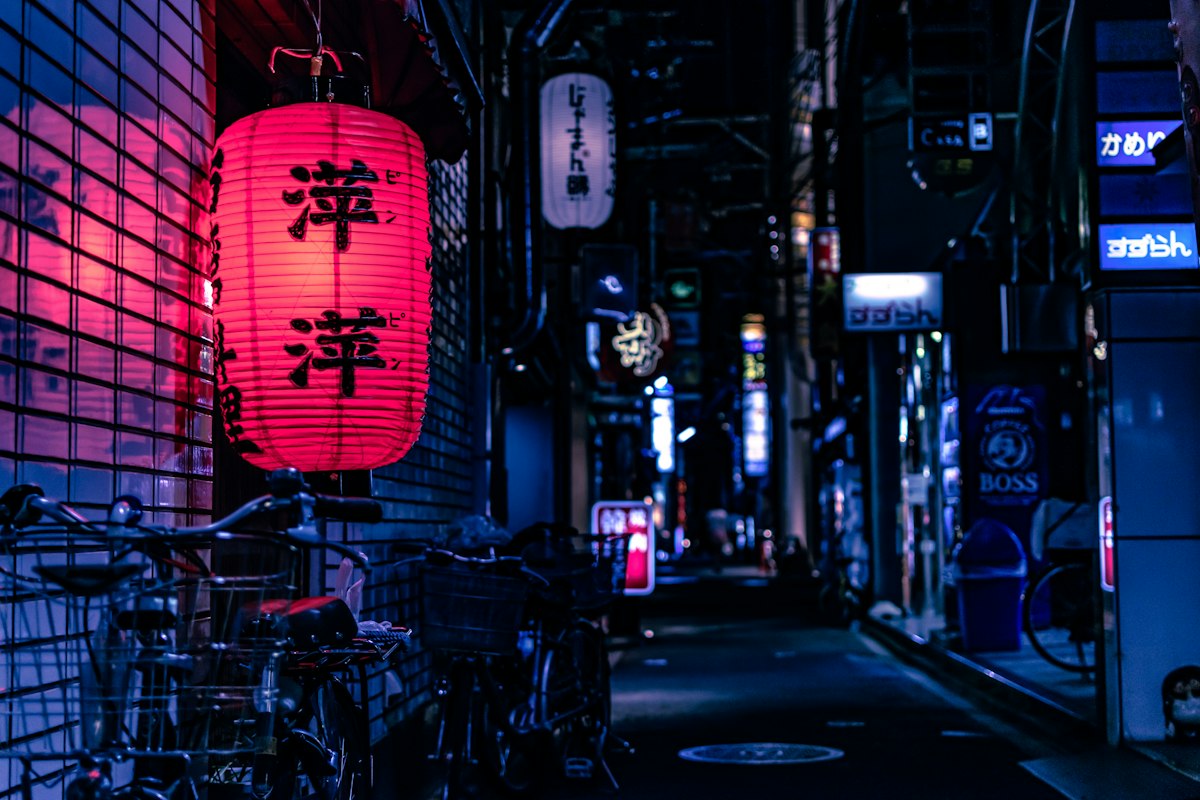
Japan is one of the most extraordinary food destinations in the world. Fresh sushi, delicate ramen, crispy tempura, and regional specialties around every corner. But for travelers with a nut allergy — whether peanuts, tree nuts, or both — Japan presents a set of risks that are easy to underestimate. Hidden allergens, language barriers, and a food culture that doesn't always distinguish between "contains nuts" and "made in the same kitchen as nuts" can make every meal feel like a gamble.
This guide walks you through the real risks, practical strategies, and tools that will help you eat safely and enjoy Japan to the fullest.
Why Japan Is High-Risk for Nut Allergy Travelers
Japan does not have the same allergen-labeling culture as the US or EU. Japanese food labeling law mandates disclosure of only eight major allergens (egg, milk, wheat, buckwheat, peanut, shrimp, crab, and walnut — walnut was added in 2025). Tree nuts beyond walnut are not uniformly required to be declared.
More critically, cross-contamination is rarely discussed in Japanese restaurant culture. Kitchen staff may not understand the concept of trace exposure being dangerous. Even in restaurants that do not use nuts as a main ingredient, shared fryers, shared cutting boards, and imported sauces can introduce nut proteins without anyone realizing it.
For travelers with a severe or anaphylactic reaction threshold, this matters enormously.
Dishes That Commonly Contain Peanuts or Tree Nuts
These popular Japanese dishes deserve extra scrutiny:
Ramen: Some broth bases — particularly those influenced by Chinese or Southeast Asian cooking — include sesame paste, peanut paste, or ground nuts for richness. Tantanmen (Japanese-style dan dan noodles) almost always contains sesame and often peanut.
Japanese curry: Packaged curry roux and restaurant curries sometimes include almond paste or cashew for thickening and flavor. Always ask.
Wagashi and traditional sweets: Many traditional confections use ground walnuts, chestnuts, or pine nuts. Matcha sweets at tourist locations are often fine, but elaborate gift-box sweets require careful checking.
Chinese-influenced dishes (Chuka ryori): Dishes labeled as Chinese-style are among the highest risk. Mapo tofu, gyoza fillings, and stir-fry sauces may contain peanut oil or crushed peanuts.
Imported snacks and convenience store items: Convenience stores (konbini) stock a large number of imported snacks from Southeast Asia and China. These products often contain peanuts.
Baked goods and pastries: European-style bakeries, now extremely common in Japan, frequently use almond flour, hazelnut spread, and mixed-nut toppings. Croissants, Danish pastries, and financiers are common offenders.
Reading Labels at Convenience Stores and Supermarkets
Japanese food labels list allergens at the bottom of the ingredient section, often in a dedicated line that reads アレルギー物質 (arerugi busshitsu), meaning "allergenic substances."
Look for these characters:
- 落花生 / ピーナッツ (rakkasei / pinatsu) — peanut
- くるみ (kurumi) — walnut
- カシューナッツ (kashunattsu) — cashew
- アーモンド (amondo) — almond
- 胡麻 (goma) — sesame (not a tree nut, but a common cross-contact allergen)
A label that says 「一部に○○を含む」 means "contains ○○ in part of the product." This is the standard Japanese phrasing for allergen disclosure. If you see your allergen listed here, do not eat the item.
Convenience store staff can sometimes help you check labels if you show them what you are looking for, but do not rely on verbal explanations alone.
How to Communicate with Restaurants
Clear communication is essential. Showing a written card is far more effective than trying to explain verbally, especially in smaller or traditional restaurants where English proficiency may be limited.
Useful phrases:
- 「ナッツアレルギーがあります」 — I have a nut allergy. (Nattsu arerugi ga arimasu)
- 「ピーナッツが入っていますか?」 — Does this contain peanuts? (Pinatsu ga haitte imasu ka?)
- 「くるみ・アーモンド・カシューナッツは入っていますか?」 — Does it contain walnut, almond, or cashew? (Kurumi / amondo / kashunattsu wa haitte imasu ka?)
- 「食べると命に関わります」 — This is life-threatening for me. (Taberu to inochi ni kakawari masu)
However, spoken phrases are easy to mishear or misunderstand in a busy kitchen environment. A professionally translated allergy card that you can hand directly to the chef or manager is far more reliable.
Use an Allergy Card — It Can Save Your Life
A printed or digital allergy card written in Japanese communicates your allergy clearly, in the native language, without risk of mispronunciation or misunderstanding. It signals to kitchen staff that this is a medical requirement, not a preference.
Our Japanese allergy card is written in natural Japanese and includes the specific phrasing that restaurant staff in Japan recognize and take seriously. If your allergy covers both peanuts and tree nuts, the peanut and tree nut allergy card covers the full range of nut allergens in clear, medically accurate language.
Show the card when you sit down — not after you have ordered. Give the server a moment to take it to the kitchen. In many restaurants, the chef will come out to speak with you directly, which is a good sign.
Foods That Are Generally Safe
Some food categories carry lower risk for nut-allergic travelers in Japan:
- Plain sushi and sashimi: Fresh fish and rice without sauces are typically nut-free. Avoid dishes with sesame-based dressings or unusual toppings.
- Yakitori: Grilled chicken skewers with salt or basic tare sauce are usually safe.
- Tempura (with caution): Batter is typically wheat-based. The main risk is shared fryer oil. Ask whether the fryer is used for nut-containing items.
- Onigiri with simple fillings: Tuna, salmon, or pickled plum fillings are usually straightforward. Avoid sesame-sprinkled varieties.
- Udon and soba in clear broth: Plain broth-based noodles carry lower risk than sesame- or peanut-sauce noodles. Confirm the broth ingredients.
Before You Go
Carry your epinephrine auto-injector at all times. Japanese pharmacies do not sell epinephrine over the counter, and obtaining a prescription while traveling is difficult. Bring enough supply for your entire trip plus backup.
Identify the nearest hospital to your accommodation in each city you visit. The Japan Tourism Agency's multilingual call center (0570-055-065) can assist with medical emergencies in English 24 hours a day.
You Can Eat Safely and Eat Well
Japan rewards travelers who come prepared. With the right information, the right phrases, and the right allergy card in your pocket, you can navigate Japanese food culture confidently. The goal is not to avoid food — it is to eat with clarity, communicate effectively, and enjoy one of the world's great culinary traditions without putting yourself at risk.
Get your Japanese allergy card before your trip, show it at every restaurant, and travel with confidence.
More Posts

Product
Allergy Cards by Destination (2026): Which Language and What to Watch For
Which language your allergy card needs for Korea, Thailand, Taiwan, Europe and English-speaking countries — plus the hidden allergen in each cuisine that travellers most often miss.

Product
Traveling with Kids' Food Allergies: A Parent's Complete Safety Guide
How parents of children with food allergies can travel safely abroad. Covers allergy cards for kids, school handover cards, restaurant communication, and emergency planning.
Product
Japan Food Allergy Guide 2026: 29 Allergens, Restaurant Phrases & Allergy Cards
Complete guide to food allergies in Japan — how to explain your allergy in Japanese, Japan's 29 labelled allergens vs 9 in the US and 14 in the EU, hidden allergen sources in Japanese cuisine, and how to create a bilingual allergy card.
Newsletter
Join the community
Subscribe to our newsletter for the latest news and updates