
Traveling with Kids' Food Allergies: A Parent's Complete Safety Guide
How parents of children with food allergies can travel safely abroad. Covers allergy cards for kids, school handover cards, restaurant communication, and emergency planning.
For parents of children with food allergies, travel can feel like an impossible balancing act between protecting your child and not letting their medical condition control your family's life. The anxiety is real: one mislabeled dish, one distracted server, one kitchen that doesn't take cross-contamination seriously — and you're in an emergency.
But millions of families travel internationally every year with food-allergic children, and the key is preparation, communication tools, and knowing where the risks are highest. This guide is for those parents.
Understanding Your Child's Risk Level
Before planning any international trip, sit down with your child's allergist and get clear on:
- Is this an IgE-mediated allergy? (the type that can cause anaphylaxis) or a food sensitivity/intolerance?
- What is the threshold for reaction? Some children react to traces; others need a significant amount.
- Is epinephrine prescribed? If so, this is a severe allergy — you'll be carrying an auto-injector (EpiPen or similar) at all times.
- What are the cross-reactivity risks? Children allergic to tree nuts may react to some seeds; children with shellfish allergy may react to insects (an important consideration in Southeast Asian cuisine).
The answers to these questions determine the level of precaution you need for every dining situation.
Why Allergy Cards Are Essential for Traveling with Children
When you're traveling with an allergic child, you face a communication challenge that's harder than managing your own allergy:
- You're often making food decisions for a child who can't advocate for themselves
- You need to communicate with caregivers, schools, and camp staff in the local language
- The stakes feel much higher — a mistake with your own food is terrifying; a mistake with your child's food is devastating
- Your child can't always tell you how they're feeling, especially younger children
A food allergy card removes the language barrier from all of these scenarios.
Types of Cards for Children with Allergies
1. The Restaurant Card
The core use case — a bilingual card showing your child's allergens in both your home language and the destination language. Shown at every restaurant, food stall, and café.
Key elements for a child's restaurant card:
- Child's name at the top (personalizes it and gets immediate attention)
- "My child has a severe food allergy" header in the destination language
- Complete allergen list with local names
- Cross-contamination warning
- "Please read this to the chef" instruction (in the destination language)
2. The School/Caregiver Handover Card
If your child will be at a local day camp, school activity, or with a local caregiver, they need a different format — more detailed, designed to be kept on file.
Key elements for a caregiver card:
- Photo of the child (helps identification in group settings)
- Complete allergen list
- Symptoms to watch for
- Emergency action steps
- Emergency contact information
3. The Emergency Card
A simplified card focused on what to do if your child reacts — ideally laminated and kept with the EpiPen.
Key elements for an emergency card:
- "MEDICAL EMERGENCY" in the local language
- "This child is having a severe allergic reaction"
- EpiPen location and how to use it (with picture instructions)
- Emergency services number in the destination country
Creating Allergy Cards for Your Child
On AllergyCard.app, you can create bilingual restaurant cards for your child in minutes:
- Select your child's specific allergens from our 30+ allergen library
- Choose the destination language — Japanese, Chinese, Spanish, French, Korean, Thai, German, or Italian
- Add a personal note like "Severe peanut allergy — carries EpiPen" — our AI translates this accurately
- Enable the cross-contamination warning — essential for any severe allergy
- Download as PNG and PDF — save to your phone and print for your wallet
For a child with anaphylaxis risk, always carry epinephrine (EpiPen or Auvi-Q) in your carry-on bag — never in checked luggage. Check regulations for carrying auto-injectors through security at your destination airport.
Country-Specific Tips for Traveling with Allergic Children
Japan
Japan is actually quite good for allergic children in terms of packaged food labeling (28 allergens mandated). Restaurant communication is harder due to the language barrier — have a Japanese allergy card with your child's photo and restrictions. Family restaurants (ファミレス) like Gusto or Denny's Japan are more experienced with allergen requests than traditional restaurants.
France
French school canteens (cantine) follow strict EU allergen regulations. If your child is attending any school activity, provide a completed allergen notification form in French — our card can serve as the basis for this. Street food and boulangeries are higher risk.
Spain & Mexico
Spanish tapas culture presents cross-contamination risks — many dishes use shared fryers and preparation surfaces. Family-friendly tourist restaurants in major cities are generally well-prepared for allergy requests. In Mexico, be especially careful with peanut sauce (salsa de cacahuate) which is a condiment in many regions.
Thailand
Thailand is high-risk for peanut-allergic children. Peanuts appear as a standard garnish on street food and many restaurant dishes. Always show your card proactively — never assume a dish is peanut-free.
Talking to Your Child About Their Allergy While Traveling
Age-appropriate communication helps your child participate in their own safety:
Ages 3-5: Keep it simple. "You have to show our special card before you eat anything." Practice showing the card together.
Ages 6-10: Explain what happens if they eat the wrong food and why the card is important. Give them a copy of their card to carry in their own bag.
Ages 11+: Involve them fully. Teach them to show their card themselves, to ask the right questions, and to recognize the early signs of an allergic reaction.
Planning Meals Strategically
Not every meal needs to be high-stakes. Use a tiered approach:
Low-risk meals (pack from home or buy packaged):
- Morning — breakfast from hotel minibar or convenience store with clear labels
- Afternoon snack — packaged food with ingredient list you've checked
Medium-risk meals (family restaurants, buffet hotels):
- Show your card, confirm with staff, stick to simpler dishes
High-risk meals (local restaurants, street food, special occasions):
- Research the restaurant in advance
- Email your card ahead
- Have a backup plan if the restaurant can't accommodate
Emergency Preparedness
Even with perfect preparation, reactions can happen. Before every trip:
- Know the emergency services number in each country (112 in EU, 119 in Japan, 999 in UK, 911 in US/Canada)
- Know the nearest hospital to every accommodation you'll stay in
- Carry a medical summary card in English that describes your child's allergy history, medications, and emergency treatment
- Learn the phrase "my child is having an allergic reaction" in the local language
- Have epinephrine prescribed and filled — some countries have restrictions on carrying certain medications, check before travel
The Bottom Line
Traveling with a food-allergic child requires more preparation than traveling alone — but it absolutely can be done safely and joyfully. The families who travel most successfully share one thing: they communicate clearly and early at every meal.
A bilingual allergy card is the most important communication tool you have. Create a free card for your child today, in whatever language your next destination requires.
Your child deserves to see the world. Don't let their allergy stop them.
Author

Categories
More Posts
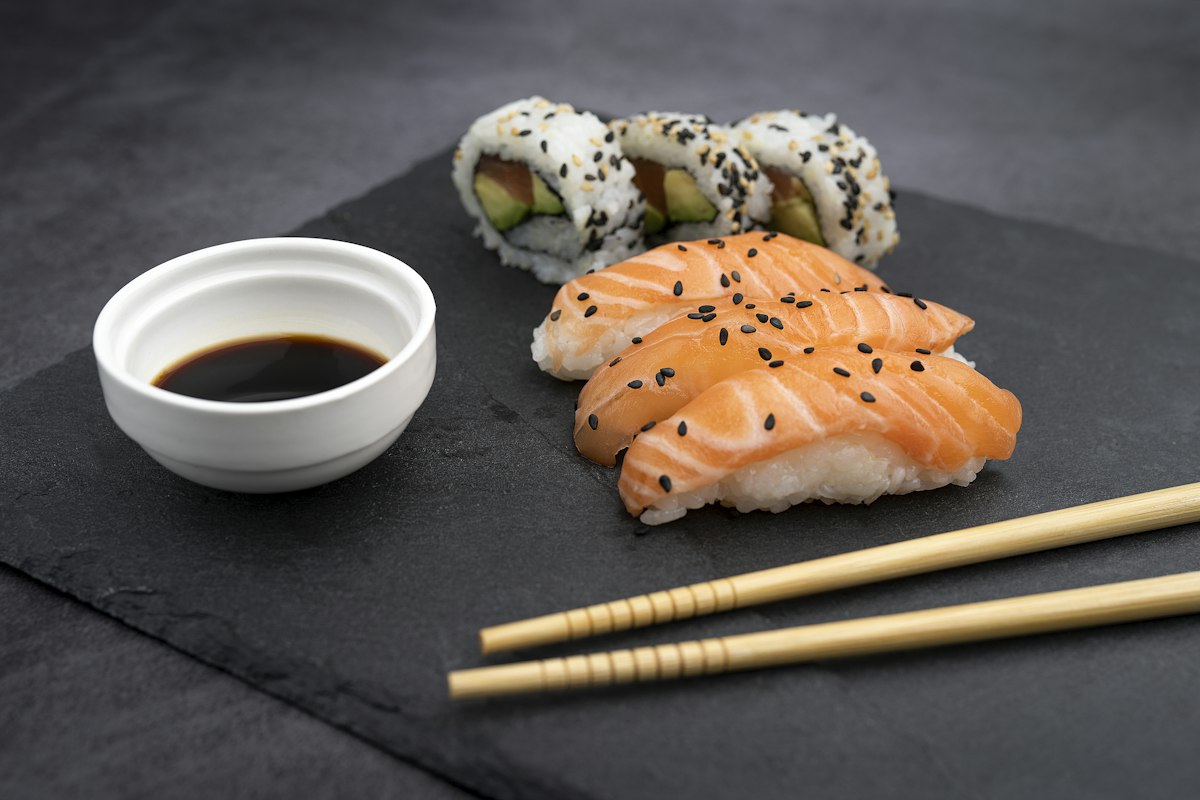
Food Allergies in Korea: A Complete Travel Guide (2026)
A complete guide to managing food allergies in South Korea — Korea's 18 regulated allergens, hidden allergens in Korean cuisine, how to communicate your restrictions in Korean, peanut and nut allergy tips, and safe dining in Seoul.
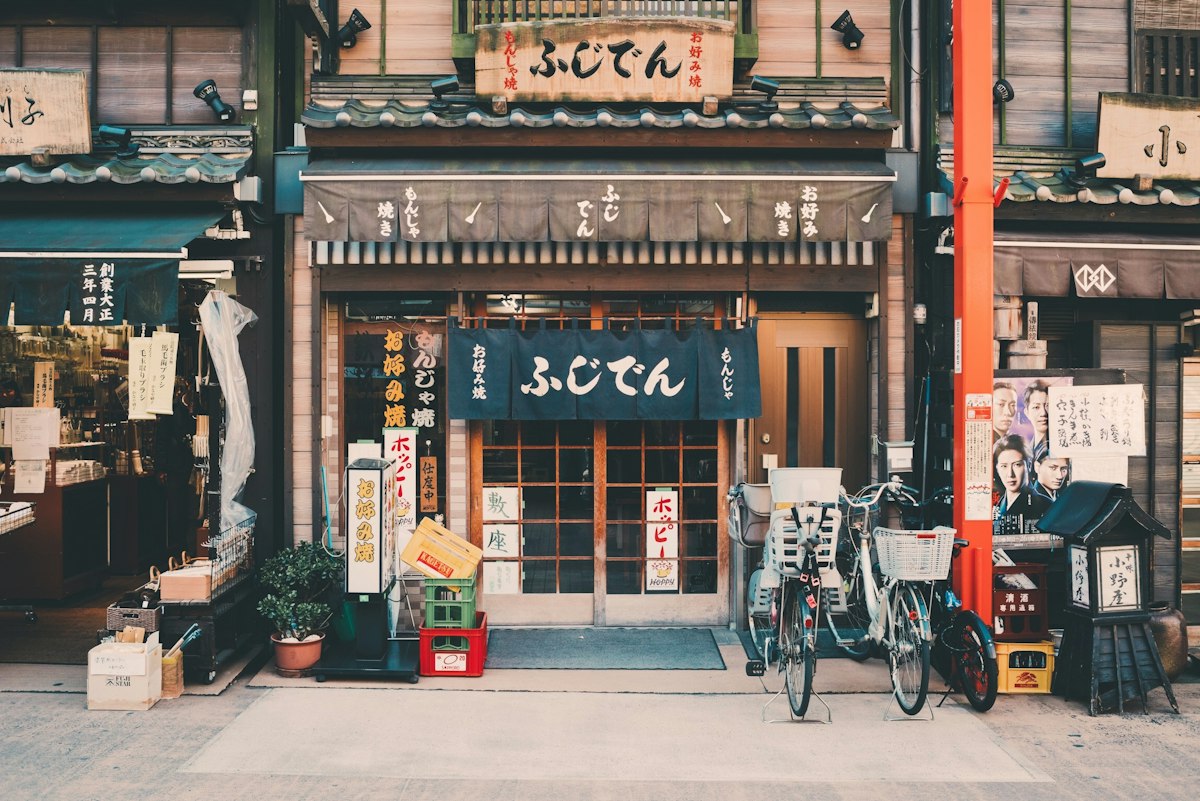
Best Food Allergy Cards for Japan (2026): Every Option Compared
Free and paid allergy cards for travel in Japan, compared honestly — including Food Safe Pass, matoil's free guides, Equal Eats, SelectWisely and AllergyCard. Plus the Japan-specific risks a generic card misses.
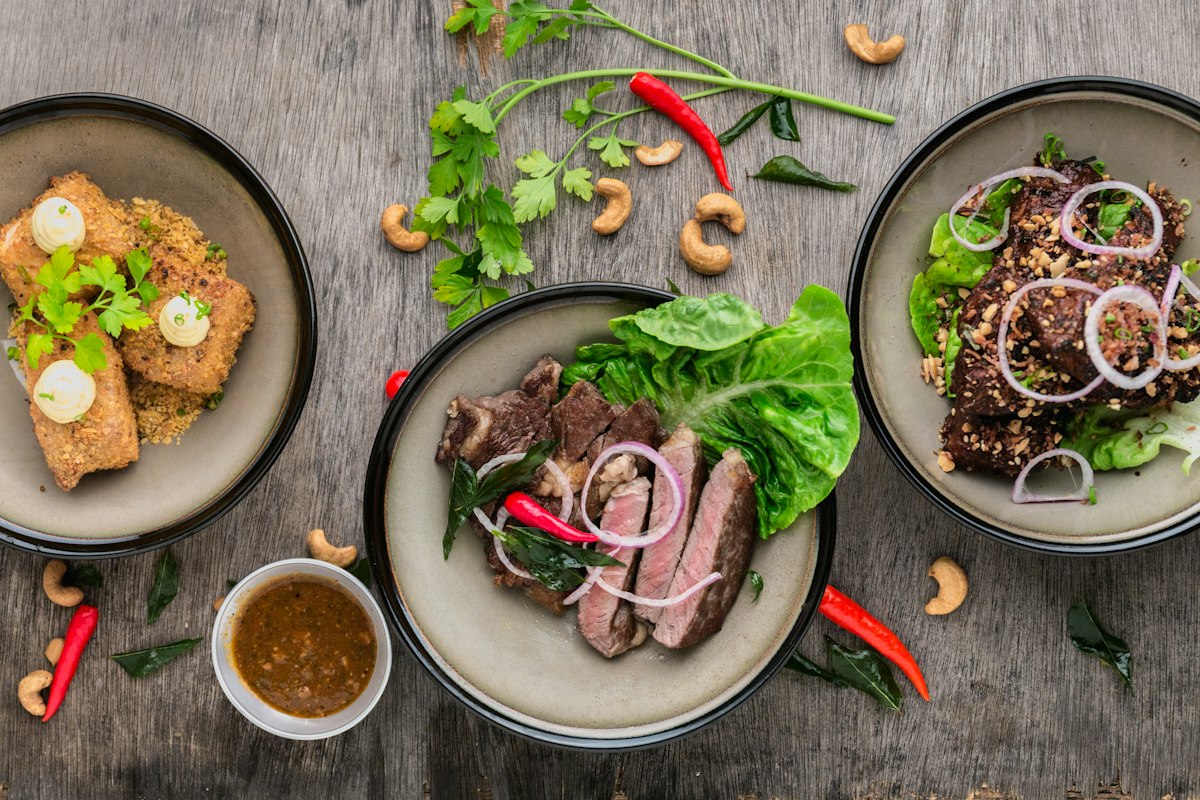
Japanese Allergy Card: The Complete Guide for Traveling to Japan with Food Allergies
Everything you need to know about using a Japanese allergy card (アレルギーカード) when traveling in Japan. Includes hidden allergens, restaurant tips, and how to preview a bilingual card before downloading printable files.
Newsletter
Join the community
Subscribe to our newsletter for the latest news and updates