Best Food Allergy Cards for Japan (2026): Every Option Compared
Free and paid allergy cards for travel in Japan, compared honestly — including Food Safe Pass, matoil's free guides, Equal Eats, SelectWisely and AllergyCard. Plus the Japan-specific risks a generic card misses.
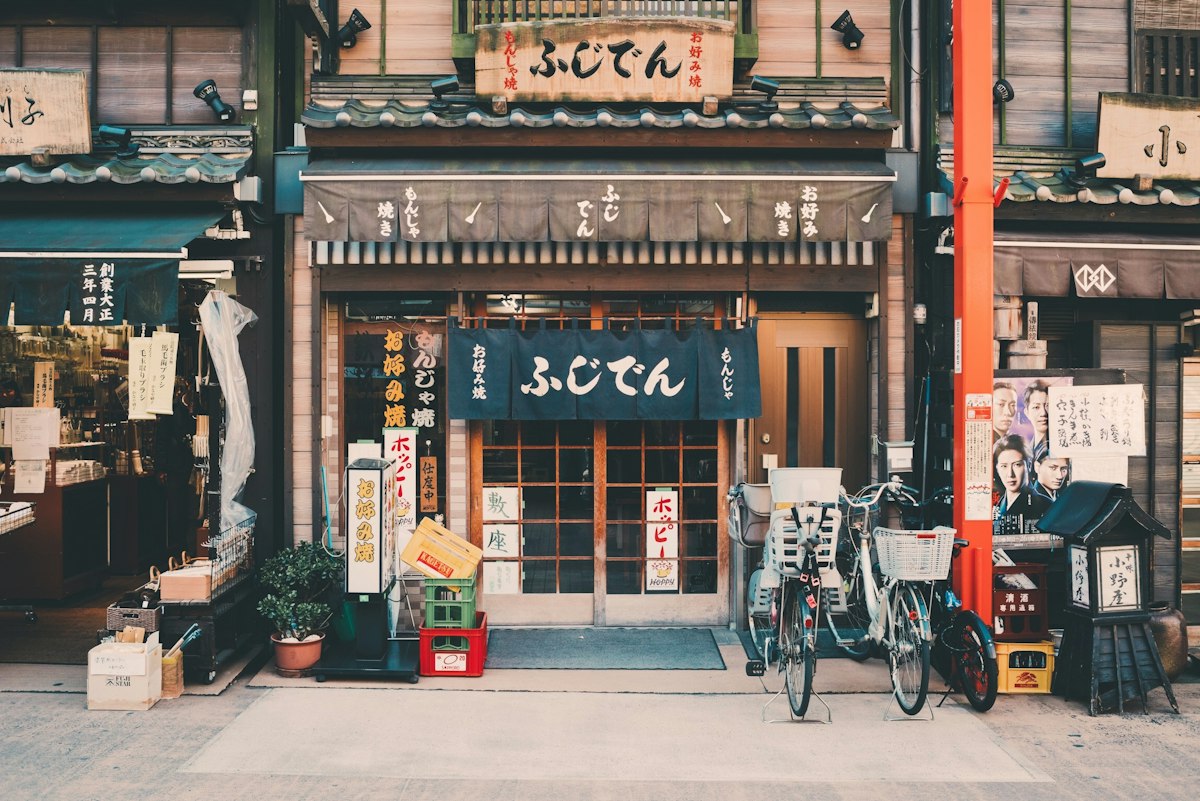
Japan is one of the best countries in the world to eat in and one of the harder ones to eat in safely with a food allergy. English is limited outside tourist districts, several of the riskiest ingredients are invisible in the finished dish, and the cultural default is to avoid saying "no" directly.
A written card in Japanese fixes most of that. This page compares every option worth considering — including two genuinely free ones — and covers the Japan-specific details that a generic card will miss.
Disclosure: AllergyCard is our product. Competitor and third-party details below are quoted from public sources with the date we checked them.
Every option, compared
| What it is | Cost | Best for | |
|---|---|---|---|
| matoil guides | Free online allergy guides for dining in Japan, from a Kyocera-run food allergy support service | Free | Everyone — read before you go |
| FOOD SAFE PASS | Physical bilingual checklist card from MIMARU and matoil | Free, but distributed at MIMARU hotel locations | Travellers already staying at MIMARU |
| Free generic PDFs | Print-and-cut sheets published by allergy communities | Free | One or two common allergens, short trip |
| AllergyCard | Generate a bilingual card from your own allergen list | $8.99 once, all languages | Unusual or multiple allergens; multi-country trips |
| Equal Eats | Pre-made cards, plastic or PDF | $9.99 PDF / $18.99 plastic, per card | A durable card, or a language nobody else covers |
| SelectWisely | Pre-made plastic cards, 60+ languages | $16.99 for a 2-card pack (English-only Vegan card, checked Aug 2026) | Drug allergies and non-food cards |
Third-party prices and availability checked August 2026. Verify before buying.
Start with the free options
If you are travelling to Japan with a food allergy, read matoil's English guides first. They are free, they are written by a Japanese food allergy support service rather than a translation vendor, and they cover the failure modes that matter locally. That is genuinely useful regardless of which card you end up carrying.
FOOD SAFE PASS is a physical bilingual checklist card created by MIMARU (an apartment-hotel brand) together with matoil, launched in March 2026. One side carries a QR code to the matoil guides; the other is a checklist covering Japan's mandatory allergens plus the recommended list — egg, dairy, wheat, buckwheat, shellfish, peanuts, tree nuts, sesame, soy, gelatin and more, including alcohol. It is free, but it is distributed at MIMARU locations, so it is only practical if you are staying there.
Free generic PDFs from allergy communities are a reasonable fallback for a single common allergen. Their limitation is that they cannot state your specific combination or your severity, and a checklist card that ticks "shellfish" says nothing about whether trace exposure from a shared fryer matters to you.
What makes Japan different
A card that works in Europe can quietly fail in Japan, because the risky ingredients are structural rather than visible.
Dashi is in almost everything. The base stock for miso soup, noodle broth, simmered dishes, tamagoyaki and countless sauces is usually made with katsuobushi (bonito) and often kombu. If you have a fish allergy, "no fish" is not enough — the fish is dissolved in the liquid and nobody thinks of it as an ingredient.
Soy sauce contains wheat. Standard shoyu is brewed from soy and wheat. Wheat-free tamari exists but is not the default. A coeliac or wheat-allergic traveller who avoids obvious bread will still meet wheat in nearly every savoury dish.
Sesame is everywhere and rarely mentioned. Sesame oil in dressings, gomadare sauces, sesame seeds as garnish, and sesame paste in dipping sauces. Sesame is on Japan's recommended labelling list rather than the mandatory one, which means packaged food often declares it — but restaurants have no such obligation.
Shared fryers are the norm. Tempura, karaage and katsu frequently come out of the same oil. If cross-contact matters to you, the card has to say so explicitly, because the kitchen will not infer it.
Buckwheat is a major allergen here. Soba is buckwheat, and soba restaurants often cook udon in the same water. Buckwheat allergy is taken seriously in Japan precisely because reactions can be severe — it is on the mandatory labelling list.
The labelling law, briefly
Japan's Food Labelling Act names a set of allergens that packaged food must declare, plus a longer list it recommends declaring. The mandatory list expanded to nine items in April 2026, when cashew nuts were added, joining shrimp, crab, walnut, wheat, buckwheat, egg, milk and peanut. Around twenty further items — including sesame, soy, almond, squid, salmon, beef, chicken, pork, banana, peach, apple, yam and gelatin — sit on the recommended list.
Two practical consequences:
- Packaged food is well labelled. Convenience store items are a reliable option, and some retailers label the full recommended list voluntarily.
- Restaurants are not covered by it. The labelling law applies to packaged products, not to a dish cooked to order. In a restaurant you are relying entirely on what staff know and what your card communicates.
What your card needs to say in Japan
Whichever option you pick, check that it covers these. If it does not, it is doing less than it looks.
- The allergen in Japanese, specifically. ピーナッツ (peanuts) and 木の実 / ナッツ類 (tree nuts) are handled separately. So are 小麦 (wheat) and 大麦 (barley).
- Dashi, if you react to fish or shellfish. A line asking whether the dish contains だし (dashi) or かつお (bonito) catches what "no fish" misses.
- Soy sauce, if wheat is your issue. Ask explicitly about 醤油 (shoyu).
- Cross-contact and shared oil. 共用の揚げ油 (shared frying oil) is the phrase that matters.
- Permission to decline. The single most useful sentence lets the kitchen say they cannot guarantee it. In a culture where a direct refusal is uncomfortable, giving staff an easy way to say no is a safety feature, not a courtesy.
Which should you choose?
Read the matoil guides regardless. They are free and Japan-specific.
Staying at MIMARU? Pick up a FOOD SAFE PASS at the front desk. Free and purpose-built for Japan.
One common allergen, short trip? A free community PDF may be enough. Print two copies.
Unusual combination, several allergens, or strict about cross-contact? A generated card states your actual situation rather than approximating it. Build one free and see the Japanese text before deciding whether to download it.
Japan plus Korea or Thailand in one trip? Per-card suppliers charge for each language. One payment here covers all of them.
Want something durable in plastic, or a drug allergy card? Equal Eats or SelectWisely — we do not make physical cards or non-food cards.
Frequently asked questions
Do I need an allergy card for Japan?
If your allergy is severe and you plan to eat outside hotel restaurants, yes. English is limited in ordinary restaurants, and the highest-risk ingredients — dashi, soy sauce, sesame oil — are not visible in the finished dish and are rarely volunteered.
Are there free allergy cards for Japan?
Yes. matoil publishes free English guides online, MIMARU and matoil distribute the free FOOD SAFE PASS card at MIMARU hotels, and several allergy communities publish free printable PDFs. Free options cover common allergens well; they are weaker for unusual combinations and cannot state your individual severity.
How many allergens does Japan require restaurants to label?
None — the labelling law covers packaged food, not restaurant dishes. For packaged food the mandatory list grew to nine items in April 2026 with the addition of cashew nuts, with roughly twenty more on a recommended list that many manufacturers follow voluntarily.
Is convenience store food safe with allergies?
Packaged convenience store food is among the better-labelled food in Japan, and some chains label beyond the legal minimum. Labels are in Japanese, so photograph the ingredient panel and translate it, and remember that hot counter items prepared in store are not packaged goods.
What is the single most dangerous ingredient for allergy travellers in Japan?
There is no single answer, but dashi catches more people than anything else. It is in soups, sauces and simmered dishes, it is made from fish, and almost nobody lists it when asked what is in a dish.
Related: Japanese allergy card — build one free · Best food allergy cards compared · SelectWisely alternative · Printable allergy card
Last updated 25 August 2026. Third-party pricing, availability and the labelling-law details were checked against public sources on that date and may change — verify before you travel. Corrections: support@allergycard.app.
More Posts

Product
Traveling with Kids' Food Allergies: A Parent's Complete Safety Guide
How parents of children with food allergies can travel safely abroad. Covers allergy cards for kids, school handover cards, restaurant communication, and emergency planning.
Product
Allergy Cards by Destination (2026): Which Language and What to Watch For
Which language your allergy card needs for Korea, Thailand, Taiwan, Europe and English-speaking countries — plus the hidden allergen in each cuisine that travellers most often miss.
Product
Japanese Allergy Card: The Complete Guide for Traveling to Japan with Food Allergies
Everything you need to know about using a Japanese allergy card (アレルギーカード) when traveling in Japan. Includes hidden allergens, restaurant tips, and how to preview a bilingual card before downloading printable files.
Newsletter
Join the community
Subscribe to our newsletter for the latest news and updates